Understanding the psychological triggers behind gambling behavior
The Allure of Winning: Reinforcement and Reward
Gambling offers an intoxicating promise of potential rewards, which can serve as a powerful psychological trigger. The thrill of winning creates a sense of euphoria, driven by the brain’s reward system. This system releases dopamine, a neurotransmitter associated with pleasure, leading gamblers to chase after wins repeatedly. Even small victories can reinforce the behavior, creating a cycle where the desire for that euphoric rush becomes a compelling force, often overshadowing the risks involved. For those interested in exploring this thrilling world, https://icefishing-slot.us.com/ provides an exciting glimpse into various games.

This concept is closely tied to the psychology of reinforcement, where positive outcomes strengthen the likelihood of repeated behavior. Gamblers often remember their wins more vividly than their losses, a phenomenon known as the “illusion of control.” This cognitive bias can mislead individuals into believing they can influence the outcome, compelling them to gamble more, despite the odds being against them. The interplay of excitement and illusion creates a potent mix that makes gambling increasingly appealing.
Add to this the concept of near misses—when a player comes close to winning but ultimately loses. Near misses can be just as enticing as actual wins, as they create a feeling of almost success. This phenomenon fuels the belief that victory is just around the corner, prompting gamblers to keep playing. Understanding these psychological triggers can illuminate why many find it hard to walk away from gambling, even when they are losing money.
The Role of Emotions in Gambling Behavior
Emotions significantly influence gambling behavior, often leading individuals to gamble as a way to escape reality or cope with stress. When faced with challenging emotions such as anxiety, sadness, or loneliness, some people turn to gambling as a form of distraction. This temporary reprieve from emotional turmoil can initially provide relief, reinforcing the notion that gambling is a viable coping mechanism. However, this can create a dangerous cycle, where individuals use gambling increasingly to manage their feelings. Engaging in an ice fishing game might offer a diversion for some.
Furthermore, positive emotions can also fuel gambling behavior. Celebrations, social gatherings, or even moments of excitement can lead individuals to view gambling as a form of entertainment. The social aspect of gambling, such as engaging in games with friends or attending casinos, can enhance feelings of connection and joy. However, these positive emotional triggers can sometimes mask underlying issues, pushing individuals deeper into gambling as they associate it with fun and camaraderie.
Over time, relying on gambling as an emotional outlet can lead to addiction, where individuals may prioritize gambling over relationships and responsibilities. The inability to manage emotions healthily often leads to significant psychological distress. Understanding this emotional connection is crucial in addressing gambling addiction, highlighting the need for healthier coping strategies that do not involve gambling.
The Influence of Environment and Social Factors
The environment plays a significant role in shaping gambling behavior. Many gambling establishments are designed to create an enticing atmosphere, filled with bright lights, engaging sounds, and rewarding visuals. This sensory stimulation can trigger excitement and attract individuals to gamble. In addition, social factors such as peer pressure or family influence can significantly affect one’s decision to gamble. When surrounded by others who gamble, individuals may feel compelled to join in, viewing it as a social norm.
Social acceptance can further reinforce gambling behavior, particularly among younger audiences. The portrayal of gambling in media, such as movies and advertisements, often glorifies the lifestyle, emphasizing the glamour associated with high-stakes games. This normalization can lead individuals to underestimate the potential dangers of gambling, believing it is a harmless pastime. Recognizing these environmental and social triggers is essential in understanding the broader context of gambling behavior.
Community norms surrounding gambling can also contribute to the prevalence of gambling addiction. Areas with easy access to casinos or betting establishments may see higher rates of gambling-related issues. Acknowledging these external influences can help in developing targeted interventions aimed at reducing gambling-related harm within communities. Awareness of one’s environment and its impact on behavior is vital for addressing gambling addiction effectively.
Psychological Theories of Gambling Addiction
Several psychological theories attempt to explain the intricacies of gambling addiction. One prevalent theory is the cognitive-behavioral model, which focuses on the thought patterns and beliefs that drive gambling behavior. This model posits that distorted thinking can lead individuals to gamble despite negative consequences. For instance, cognitive distortions such as “I will win back my losses” can trap individuals in a cycle of gambling. Addressing these cognitive patterns is key to overcoming addiction and fostering healthier habits.
Another important theory is the addiction model, which equates gambling addiction with substance abuse disorders. This model highlights how gambling can activate the brain’s reward pathways similarly to drugs and alcohol. As individuals engage in gambling, their brain adapts to the stimuli, leading to cravings and withdrawal symptoms when not gambling. This understanding underlines the severity of gambling addiction and the need for effective treatment options, particularly in contexts like the ice fishing casino game.
Finally, social learning theory emphasizes the impact of observation and imitation in developing gambling behaviors. Individuals may learn to gamble through watching others, particularly influential figures such as family members or friends. The behaviors observed in these social contexts can normalize gambling and encourage similar behaviors. This theory underscores the importance of promoting healthy behaviors within social circles to combat gambling addiction.
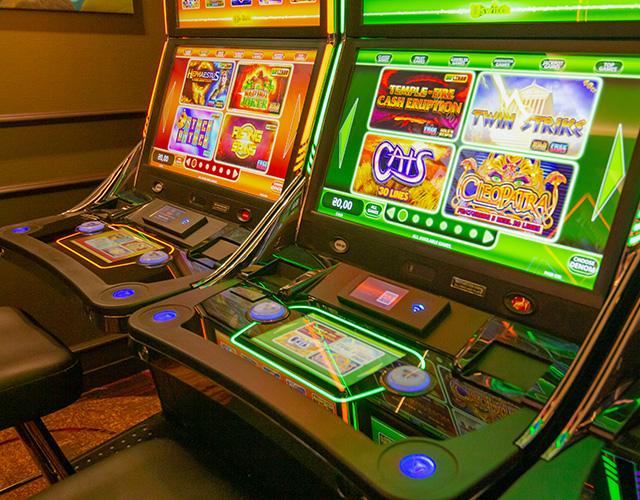
Exploring Gambling Options at the Ice Fishing Casino Game
The Ice Fishing Slot Game offers a unique and engaging experience for both casual players and serious gamblers alike. Designed with captivating graphics and interactive elements, this game allows players to immerse themselves in a thrilling fishing adventure while enjoying the chance to win real money. By providing insights into how to play, game features, and potential bonuses, the Ice Fishing Casino aims to enhance players’ experiences and inform their decisions.
Players can navigate the world of ice fishing slots with ease, whether they are looking for entertainment or a serious gambling venture. The game offers various options to explore, from free demos to real-money play, catering to different player preferences. This flexibility allows individuals to engage with the game at their own pace, ensuring a satisfying gaming experience tailored to their needs.
Understanding the psychological triggers behind gambling behavior is essential for players as they engage with games like the ice fishing gambling game. By fostering awareness of these triggers, players can make informed decisions and enjoy gambling responsibly. The platform provides resources and guidance for players to navigate their gambling journeys effectively, ensuring a fun yet mindful experience.