Can luck truly influence your outcomes at the tables?
The Role of Luck in Gambling
Luck is often romanticized in the world of gambling, with players believing that it can turn their fortunes in an instant. Many people ascribe their wins or losses to luck, considering it an essential factor at the tables. While skill and strategy play significant roles, luck can undoubtedly have a profound impact on outcomes in various games, particularly those driven by chance.
In games like slots and roulette, luck dominates the narrative, since the results are entirely random. For players, this uncertainty can create a thrilling experience, making them feel that luck can swing in their favor at any moment. However, it’s essential to understand that luck operates within a framework of probabilities and odds, which can influence not just immediate outcomes but also a player’s overall experience. Over time, players may notice patterns in their fortunes that lead them to believe they have some control over the outcome, all pivoting on their perception of luck.
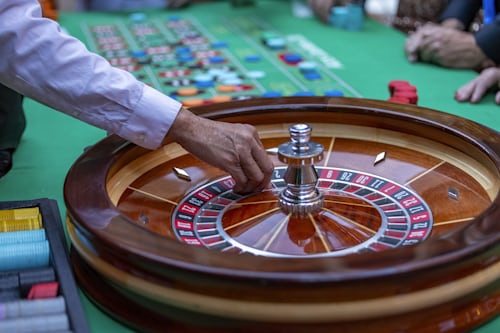
It’s worth noting that luck is not just about winning or losing; it can also shape how players feel about their gambling experiences. A lucky streak can enhance enjoyment, leading to a more positive association with the game itself. Conversely, a series of bad luck can lead to frustration, tarnishing the thrill that gambling once offered. While players often hope for favorable outcomes, it is essential to remain grounded and recognize that luck is unpredictable.
The Science Behind Luck and Probability
When discussing luck, one must consider the principles of probability. Each game at the casino has defined odds that dictate the likelihood of winning or losing. These odds are mathematically calculated based on countless outcomes. Understanding this concept helps clarify how luck interacts with skill and makes sense of the seemingly random nature of gambling outcomes.
For instance, in poker, while players may experience luck in the hands dealt to them, success ultimately relies on their decision-making skills and ability to read opponents. Poker is a blend of skill and luck, and while a player can’t control their cards, they can influence the game’s outcome through strategic choices, thereby mitigating the extent to which luck determines their fate. This interdependence also highlights how players can work to improve their skills, thereby potentially reducing their reliance on sheer luck over time.

Additionally, understanding odds can also help players to manage their bankroll more effectively, making informed decisions that reduce the sting of bad luck. A well-balanced approach to risk versus reward can seamlessly integrate the unpredictable nature of luck with calculated strategy, enhancing overall gameplay.
Luck Versus Skill: A Balancing Act
The debate between luck and skill in gambling is ongoing and often contentious. Many seasoned players believe that skill can overcome luck in the long run, particularly in games requiring strategy. The luck factor may deliver short-term excitement, but knowledgeable players often view it as a component they must account for when making decisions at the tables.
As players gain experience, they develop tactics that can capitalize on favorable circumstances and minimize losses during unfriendly streaks. In this way, luck does not exist in a vacuum; rather, it complements skill, with each playing a critical role in shaping outcomes over time. For many, embracing this duality might not only enhance their gaming experience but also alter their approach to winning at the tables. Understanding that skill can enhance their luck can also empower players, turning the unpredictability of luck into an avenue for improvement.
The Psychological Aspect of Luck
The impact of luck on player psychology cannot be overlooked. When luck is perceived as a driving force, it can lead to emotional highs and lows, significantly affecting a player’s next choices. An unfortunate string of losses might evoke feelings of frustration or despair, while sudden wins often ignite a sense of elation and possibility, enticing players to continue gambling.
Moreover, some players fall into the trap of chasing losses, a psychological phenomenon that can cloud judgment and lead to irrational decisions. Understanding how luck can psychologically impact gambling behavior is crucial for maintaining a responsible gaming approach. Awareness of these mental patterns empowers players to make better decisions, balancing their enjoyment with a clear understanding of their odds. Recognizing the psychological sway of luck helps players develop coping strategies, such as setting limits and taking breaks to regain composure, ultimately leading to healthier gaming habits.
Discovering Opportunities at the Tables
Ultimately, while luck influences outcomes at the tables, players can explore opportunities to enhance their gambling experience. Understanding the games they choose to engage in and the probabilities tied to each can significantly shift their perspective on luck. Players who educate themselves about strategies and odds are likely to experience greater enjoyment and satisfaction, even in the face of unpredictable outcomes.
For those seeking to combine luck with informed decision-making, exploring various platforms can be beneficial. Finding reliable sources, like the best online casinos australia, allows for a safe environment where players can engage with games they enjoy while effectively managing their expectations and experiences. This way, players can enjoy the thrill of the game while also navigating the complexities of luck and skill, making for a more fulfilling and balanced gambling experience.